
You're dressing for a summer wedding, Highland games, or an outdoor gathering, and the forecast has already changed twice. You want something more distinctive than ordinary chino shorts, but you also don't want to look as though you've bought a novelty costume for one sunny afternoon. The answer is well-made men's tartan shorts, chosen with the same care you'd give a kilt, jacket, or pair of trews.
The right pair should have a properly specified sett, a fabric suited to the occasion, clean pattern matching, and enough room to move comfortably. It should also work with a jumper, weatherproof jacket, brogues, boots, or trainers, because British summer weather rarely follows a reliable script.
At a summer gathering in Edinburgh, a man in tartan shorts can look entirely at home. Add a plain shirt, a sober pair of brogues, and a well-cut tweed jacket, and the outfit feels connected to Highlandwear rather than borrowed from a festival fancy-dress rail. The difference comes down to fabric, proportion, and intent.
Tartan shorts use the same visual language as other Scottish garments. Repeated stripes intersect to create blocks of colour, and those blocks form a sett that gives the cloth its character. The shorts are a modern silhouette, but the textile structure is part of a much older Scottish weaving tradition.
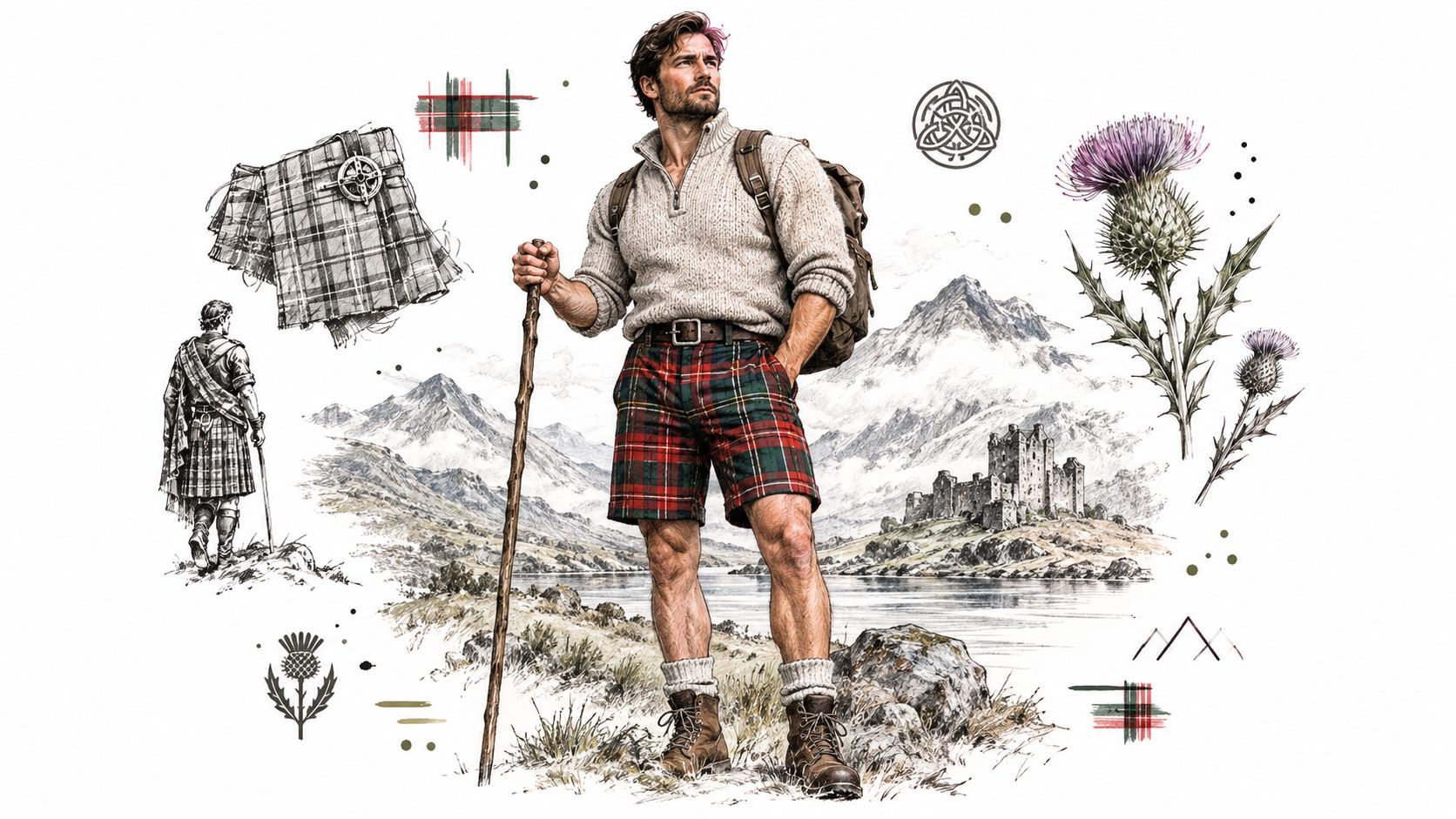
The earliest known checked cloth discovered in Scotland is the Falkirk sett, dated to around the 3rd century AD, as recorded by the National Records of Scotland's history of tartan. It was woven from two types of wool that created contrasting colours. That discovery shows that patterned wool textiles existed in Scotland long before tartan became strongly associated with modern Highland dress.
The National Records of Scotland also describes how setts became more varied as weaving methods improved and natural dyes were introduced. Tartan wasn't produced by one isolated craftsperson either. Shepherds, spinners, dyers, and weavers all played a role in making plaids and tartan cloth. When you wear tartan shorts, you're wearing a contemporary garment based on that continuing process of colour, yarn, and repeated woven structure.
That history doesn't mean every modern tartan has an ancient clan story. The exact origins of tartan can't be placed with complete certainty, and buyers should be cautious when a retailer presents every colour combination as an unquestionably ancient clan pattern. A named tartan deserves verification, not romantic invention.
Tartan has also carried political and cultural significance. The Act of Proscription introduced in 1747 restricted Highland dress, including tartan, after the Jacobite uprisings. The ban was repealed in 1782, and the period helped establish tartan clothing as a form of patriotic fashion and a visible expression of Scottish identity. The National Records of Scotland's public access material provides the institutional reference point for this legal and historical timeline.
The Scottish Register of Tartans followed a modern preservation milestone. The Scottish Register of Tartans Act was passed in 2008, and the register launched on 5 February 2009 as an independent system for recording historic and contemporary tartans from Scotland and elsewhere.
That context makes a difference when you're choosing a pair of tartan shorts. You're not selecting a loud checked fabric. You're deciding how to use a culturally significant textile in modern clothing. If you want a more traditional foundation for the rest of your outfit, study the proportions and colour balance of established Highland garments such as a Gordon tartan kilt, then apply the same restraint to your shorts, shirt, and accessories.
Practical rule: Let the tartan provide the character. Keep the rest of the outfit quiet, well-fitted, and useful.
A checked cloth isn't automatically a registered tartan. Authenticity depends on the recorded sett, not on whether the colours happen to look Scottish.
Under the Scottish Register of Tartans Act 2008, tartan consists of alternating coloured stripes woven vertically and horizontally into a repeated chequered pattern. The recorded thread count specifies the colour sequence and the number of threads in each stripe. This gives a buyer something more reliable than a product title or a vague reference to “traditional plaid”.
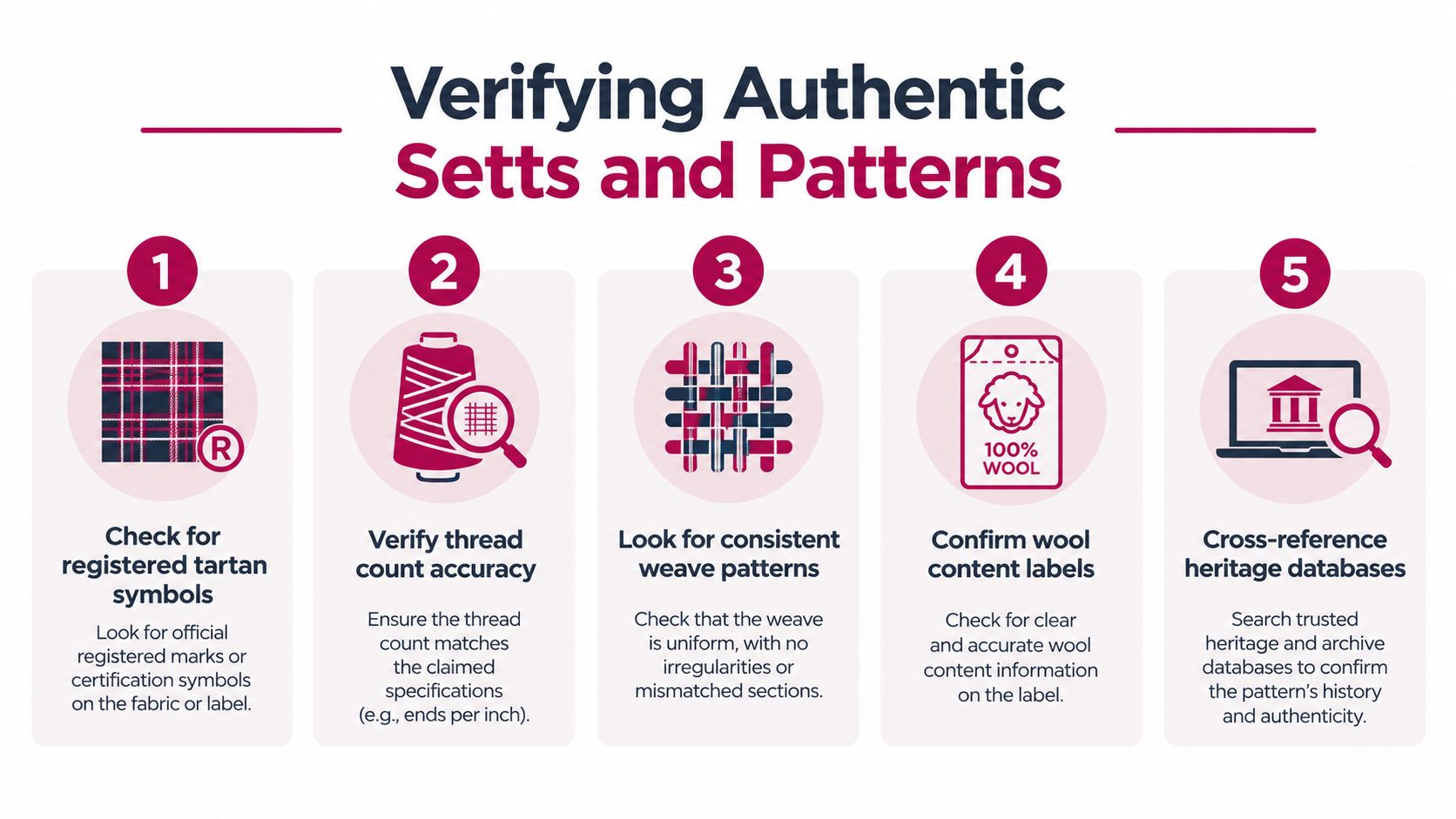
Use the Scottish Register of Tartans FAQ as your technical reference when a seller names a specific tartan. Search for the pattern and compare the recorded colours, stripe order, and thread-count information with the fabric shown in the product photographs.
A garment can be marketed with a familiar-sounding name while using a similar but unverified plaid. That may be acceptable for casual fashion, but it isn't the same as buying a correctly specified tartan. If the event is a wedding, ceremony, Highland gathering, or heritage occasion, ask for the registered name and fabric details before ordering.
A garment panel can also make a legitimate sett look wrong. Shorts have limited surface area, so a large pattern may appear incomplete on the front or back. That isn't necessarily a flaw, but the maker should have planned the cutting carefully so that the main visual features sit naturally on the garment.
The sett should be assessed across the parts of the shorts that attract the eye:
The Register indicates that a 2 to 3-inch sett can suit small accessories, while a 6 to 7-inch sett is appropriate for larger garments. A six-inch sett typically contains approximately 240 to 260 threads, according to the same Scottish Register of Tartans guidance. Those figures are useful when checking a fabric specification, but don't treat them as a substitute for examining the finished cut.
A serious retailer should be able to tell you whether the fabric is woven or printed, which tartan has been used, and whether the cloth carries a documented thread count. If the answer is “it's a traditional plaid”, keep looking unless you only want the appearance and don't care about heritage accuracy.
Also check the fibre label. Wool, wool blends, and polyviscose behave differently in rain, warmth, cleaning, and drape. A good product description should identify the composition rather than relying on photographs alone.
The best visual test is simple: if the pattern looks carefully planned at the front, pockets, and seams, the maker probably understands the cloth. If every panel breaks differently, the low price may reflect low-quality cutting.
Fabric determines whether your tartan shorts feel refined, practical, or uncomfortable. Don't choose by colour alone. Decide first where you'll wear them, how much movement the day involves, and how much care you're prepared to provide after the event.
| Fabric Type | Best For | Care Level | Durability |
|---|---|---|---|
| Traditional wool | Formal Highland gatherings, heritage occasions, cooler outdoor settings | High, follow the label and avoid casual washing | Strong when stored and cleaned correctly |
| Wool blend | Versatile formalwear, travel, smart outdoor events | Moderate, usually easier than pure wool but still needs care | Good balance of resilience and drape |
| Polyviscose | Casual weekends, active events, changeable use, easier home care | Lower, many versions are designed for simpler maintenance | Practical and hard-wearing for regular use |
Traditional wool has the strongest Highlandwear presence. It holds a clean shape, gives the tartan depth, and works particularly well with a tweed jacket, wool socks, brogues, and a formal shirt. Choose it for a heritage event where the garment needs to look substantial rather than lightweight and relaxed.
Pure wool isn't the automatic choice for every summer occasion. It can feel warm in direct sun, and it needs sensible storage and cleaning. Don't throw a valuable wool garment into an ordinary wash just because you're in a hurry. If the shorts become damp, let them dry naturally away from direct heat before brushing off surface dirt.
A wool blend is the sound middle ground. You get some of wool's texture and tailoring qualities, often with greater resistance to creasing and easier day-to-day handling. This makes it a strong choice for a wedding guest who wants a polished outfit but expects to travel, sit outdoors, and move between venues.
Look for a cloth with enough body to hold its shape without becoming stiff. Very thin fabric can make tartan shorts look flimsy, while an excessively heavy cloth may feel out of place in warmer southern conditions. A medium-weight tartan cloth, such as Lochcarron 13oz Braeriach tartan cloth, illustrates the kind of specification buyers should examine before choosing a fabric for a garment.
Polyviscose is the sensible option for a muddy festival, casual match day, family gathering, or any event where the shorts may encounter grass, spilled drinks, or sudden showers. It's usually easier to maintain than wool and can provide a consistent appearance across repeated wears.
That convenience doesn't make it suitable for every setting. A basic polyviscose pair may look too casual beside a formal Prince Charlie jacket or highly traditional accessories. Match the fabric to the rest of the outfit. A practical fabric can still look sharp with a pressed shirt, plain belt, clean socks, and understated footwear.
Use this quick decision:
The strongest purchase is the one you'll wear repeatedly. A beautiful pair that stays in the wardrobe because it's too delicate or warm has less value than a well-made, easy-care pair that works across your actual calendar.
British summer dressing requires layers, not optimism. The Met Office identifies July as the UK's warmest month, while summer rainfall varies considerably and Scotland and northern England are generally cooler than London and the south-east, as explained in its UK seasonal weather guidance.
That regional difference should shape your outfit. Tartan shorts can be comfortable in Glasgow, useful in Manchester, and smart in London, but the supporting garments need to change.
Start with socks and footwear because they determine whether the shorts look like Highlandwear or ordinary holiday clothing.
The shorts should finish at a deliberate point above the knee, with enough room through the seat and thigh for walking and sitting. Avoid pairing a strong tartan with a patterned shirt. A white Oxford shirt, navy knit, charcoal crew neck, or muted overshirt gives the cloth space to work.
In Glasgow or the Highlands, start with a medium or heavier cloth and plan for wind rather than relying on a warm forecast. Wear the shorts with a merino or lambswool jumper, long socks, and leather boots. A waxed cotton jacket is a better outer layer than a thin fashion bomber when the day includes exposed ground, coastal air, or sudden rain.
For formal use, replace the outdoor jacket with tweed. A plain tweed waistcoat can tie the outfit together without creating a second competing pattern. If the tartan is bright or high-contrast, choose brown, navy, charcoal, or olive for the jacket and accessories.
Manchester calls for flexibility. A cotton shirt under a wool overshirt gives you a layer to remove when the temperature rises, while boots keep the outfit grounded on wet pavements. Choose a wool blend or polyviscose pair if you'll be travelling by train, walking between venues, or sitting in a busy pub.
Don't over-accessorise. A belt, watch, and practical jacket are enough for everyday wear. Reserve a sporran, flashes, and other formal Highland accessories for an occasion where the whole outfit supports them.
London and the south-east often reward lighter styling. Choose lightweight cotton or polyviscose for warm urban days, then add a fine-gauge jumper or unstructured blazer for cooler evenings. A trench coat can handle rain while preserving a clean silhouette, particularly with dark shoes and a simple top.
Coastal areas need a different approach. Wind exposes poor fit quickly, so avoid loose, lightweight shorts that flap or twist. Wear a close-fitting base layer, choose a jacket with a secure collar, and use footwear that can cope with uneven promenades and damp paths.
The combination of shorts with opaque tights, long socks, boots, overshirts, or waxed jackets can extend the garment beyond the warmest part of summer. That's a practical heritage wardrobe, not a costume, provided the layers are plain and the fit remains tidy.
After the outfit has been planned for real conditions, use visual guidance to check how the proportions work together.
Weather rule: Carry the layer you'll need when the forecast changes, not the one that looked best in the first photograph.
A registered tartan won't rescue badly fitting shorts. Highlandwear sizing can differ from high-street casualwear, so measure the body rather than choosing the size you normally buy from a supermarket or fashion chain.
Use a flexible tape and measure over the undergarments you expect to wear. Keep the tape level, comfortable, and firm without pulling it tight.
The finished fit should allow you to sit, climb steps, and walk without strain. The waistband should stay in place without digging in, and the leg should fall cleanly rather than gripping the thigh. If you're between sizes, prioritise the seat and waist, then ask whether alterations are possible.
For a coordinated family outfit, measure children separately rather than scaling down an adult size. Wee man's garments and accessories need room for movement, especially if the child will be wearing socks, a shirt, and a jacket for several hours.
Avoid buying an excessively large pair on the assumption that a child will grow into it. Excess cloth can disrupt the sett, make the shorts slip, and create a scruffy appearance. A comfortable current fit with sensible adjustment is the better choice.
Check the care label before cleaning. Brush off dry dirt with a soft clothes brush, air the shorts after wearing them, and store them on a proper hanger in a dry wardrobe. Don't leave damp wool folded in a case, and don't place any tartan garment directly against a radiator or strong heat source.
Machine-washable alternatives still need care. Use the recommended temperature, avoid aggressive detergents, fasten closures, and remove the shorts promptly when the cycle finishes. Dry them in their natural shape rather than twisting or stretching the waistband.
For wool or valuable garments, use a specialist cleaner and explain the fibre content and construction. If you're travelling or need an experienced service outside the UK, Tumble Laundry's dry cleaning service in Singapore is a useful reference for understanding the kind of specialist garment care to seek.
Fit test: Sit down, take a full step, and place your hands in every pocket before accepting the garment. If it pulls during those movements, it won't become comfortable through wishful thinking.
Tartan shorts work best as part of a wardrobe, not as a solitary statement piece. Build around one well-fitting pair, then add neutral layers and accessories that make the tartan useful in different settings.
A bespoke, made-to-measure garment is the strongest route when you want precise proportions, a particular sett, and long-term use. Off-the-peg options are sensible when the standard measurements suit you, while ex-hire garments can offer practical value if the fabric and condition are carefully checked. Hiring is appropriate when the occasion is formal but your future use is uncertain.
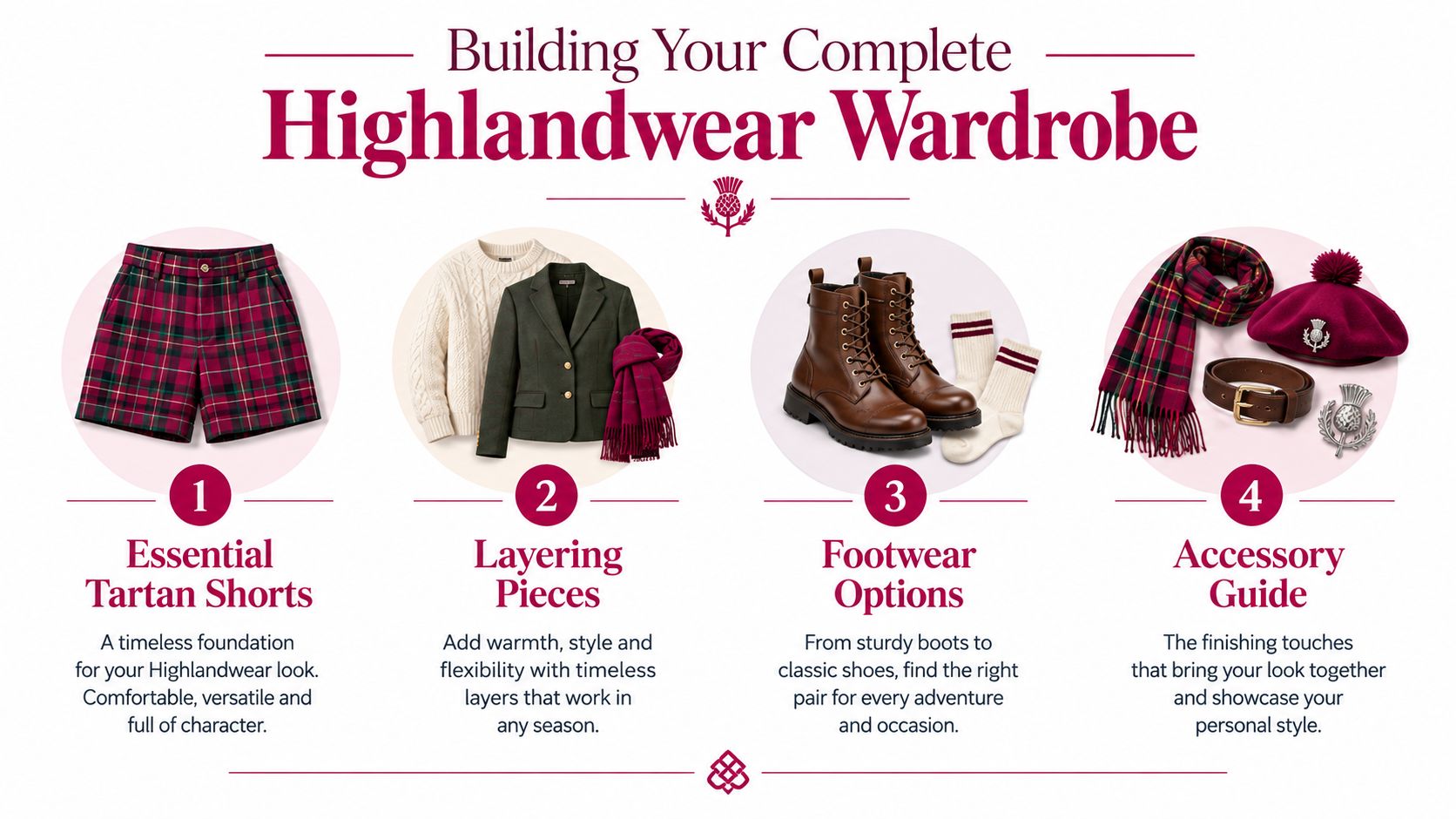
Before ordering, check the tartan name, thread-count information, seam matching, fibre content, measurements, care label, and return terms. Then ask one final question: will this pair work with at least three jackets or tops already in your wardrobe? If the answer is no, the colour may be attractive, but the purchase isn't versatile.
The best tartan shorts mens wardrobe is neither costume-led nor fashion-led. It respects the cloth, fits the wearer, handles the weather, and earns repeated use across weddings, gatherings, travel, and ordinary weekends.
Kilts4Less offers made-to-measure and off-the-peg Highlandwear, tartan garments, accessories, hire options, and practical fabric choices for formal events and everyday use. Visit Kilts4Less to compare tartans, check sizing options, and build a Highlandwear outfit that suits your occasion and the realities of British weather.

Kilts4Less is Scotland’s best bespoke, handmade kilt and highlandwear company since 1983.
Specialists in made-to-order handmade kilts, kilt jackets, sporrans & also Scottish, Irish / American Tartan Hybrids. Don’t settle for cheap alternatives – Buy Online at Kilts4Less – sale is now on!
Easy 30 days returns
30 days money back guarantee
100% Secure Checkout
PayPal / MasterCard / Visa